Solfège in Africa:
a documentary from Tanzania
This post is updated every week for the next two months. The newest update is always at the top, with its date.
The camera is rolling
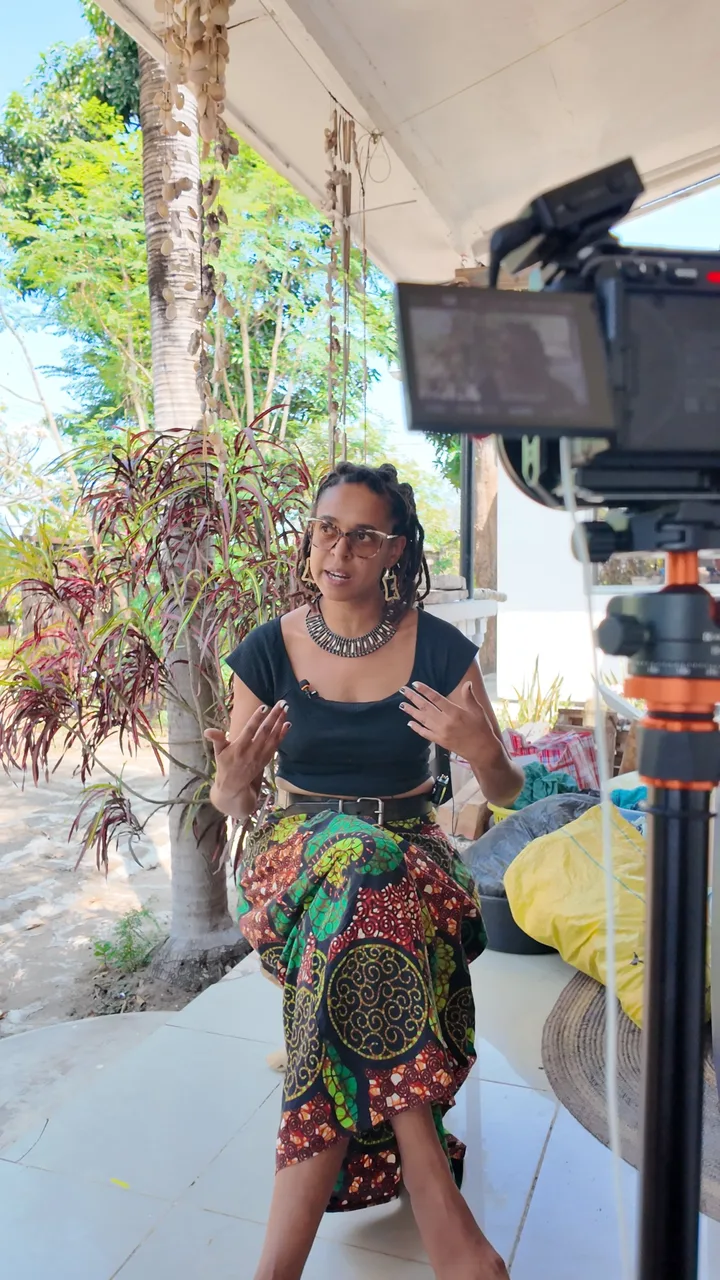

Bagamoyo lies on the shore of the Indian Ocean. It is something of an artists’ town, with an arts college of its own. Its name roughly means “Lay down your heart!”
Fatime has started showing Dávid around the town and introducing him to Tanzanian culture, and filming has begun too.
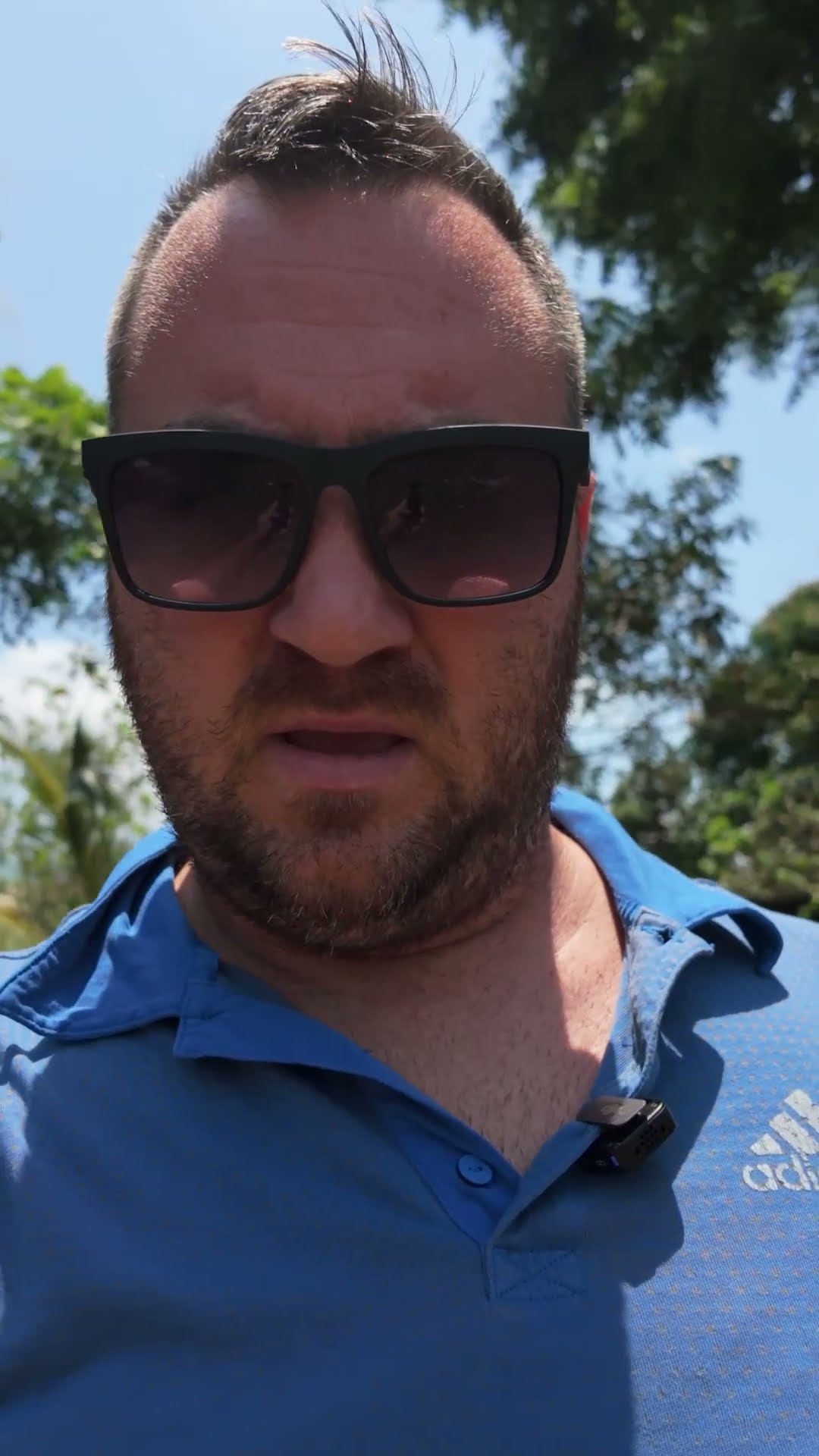
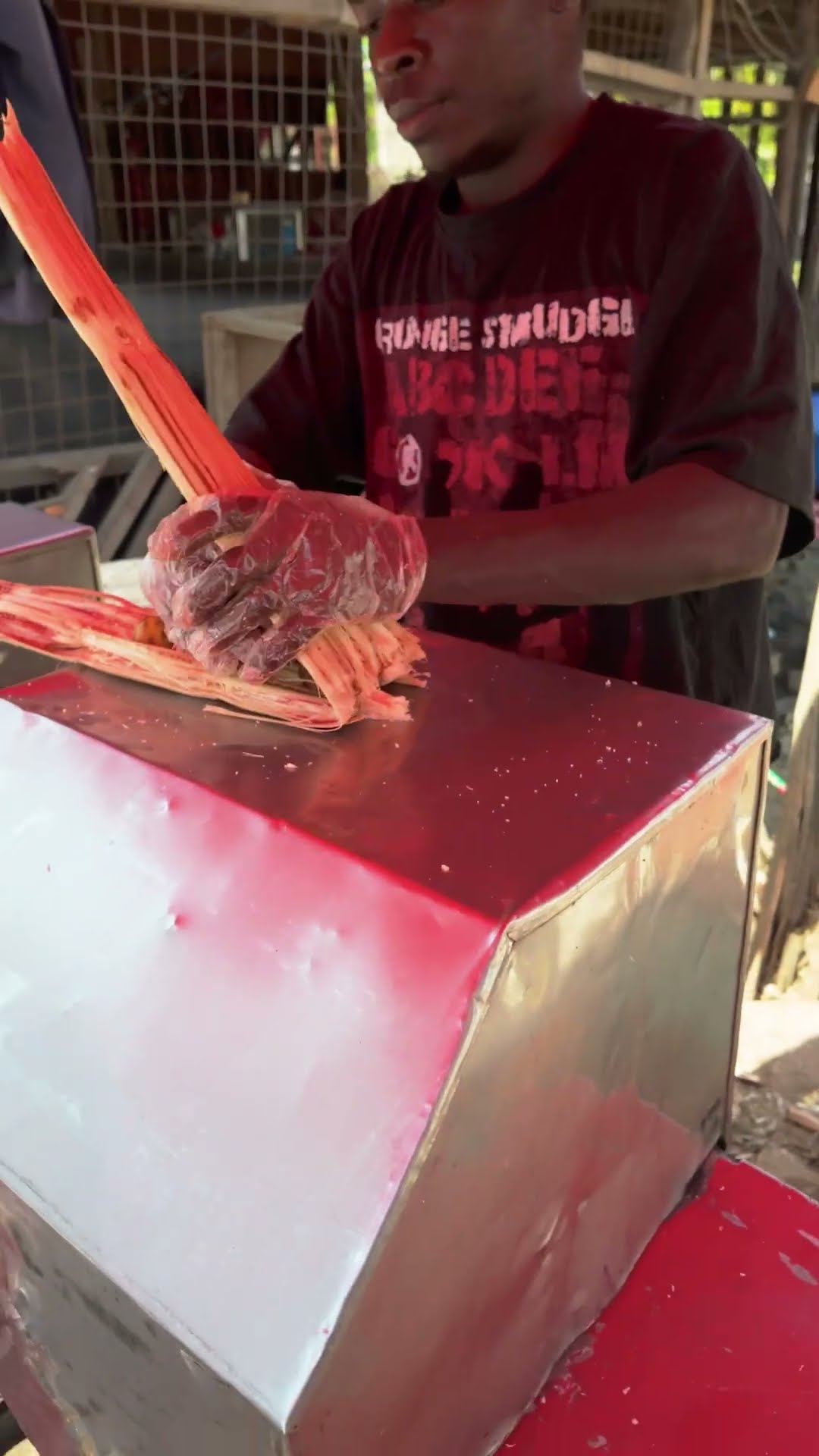
The little town has plenty of experiences in store, from local customs to the food. Now Dávid tells you about them.

Support the film
Thank you for your support! The payment was successful, and we will email you a confirmation.
Your payment is still being processed. We will confirm by email once it succeeds.
Please choose an amount, enter your name and email, and accept the terms.
The payment failed or was cancelled. Please try again, or write to hello@allsetmedia.com.
Online support opens in a few days. Until then, write to us: hello@allsetmedia.com.
A new rhythm
Two months in Tanzania: that is what lies ahead for Dávid. He set off from Szentendre at the start of the week, when we recorded this conversation with him.
His first shots and photos have arrived. The journey itself was exciting, and we were on the hotline with him the whole way.
Remember how they would rather have sent a closed car for Dávid than a tuk-tuk? Well, he is about to tell you how the story ended!
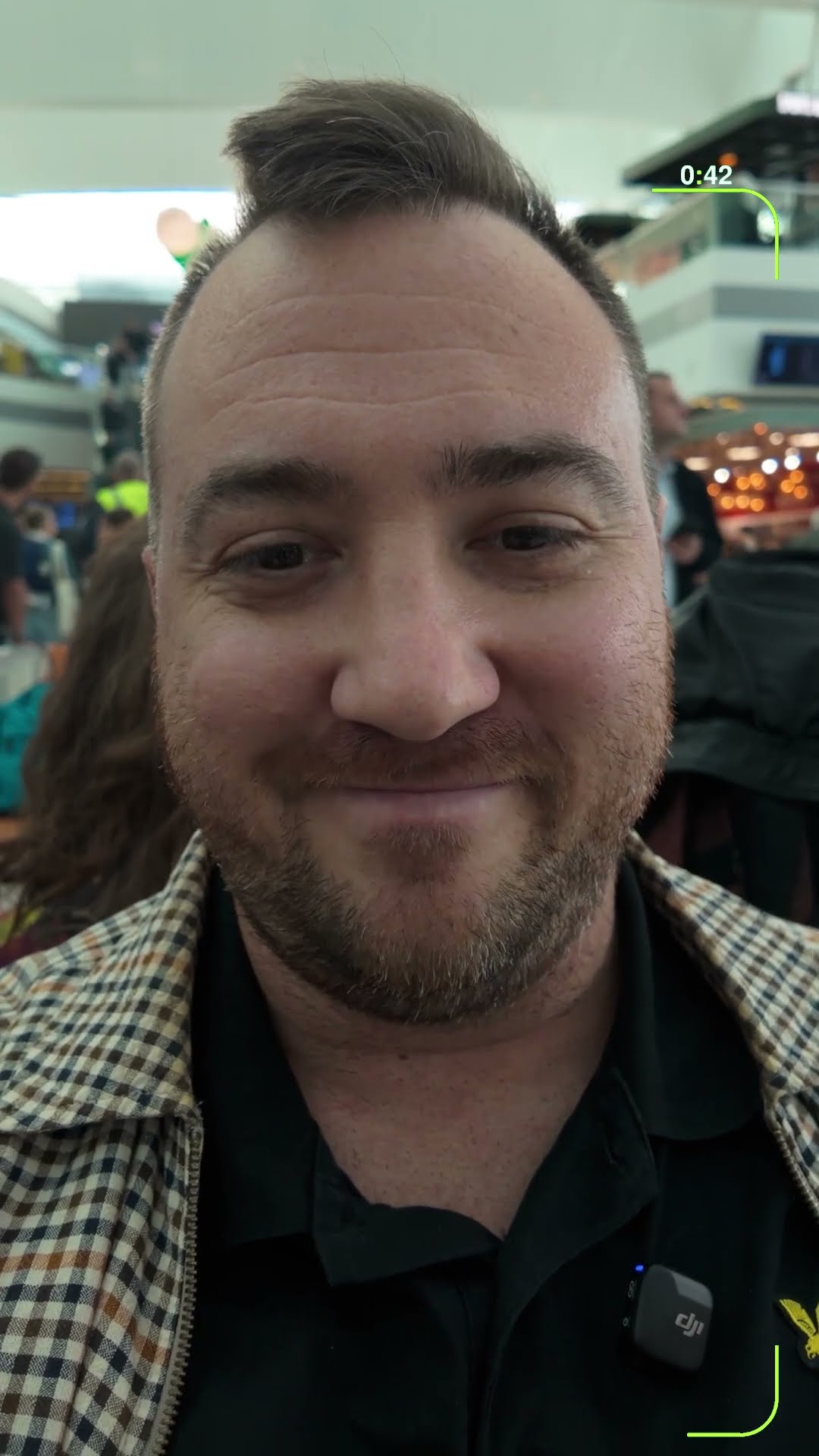
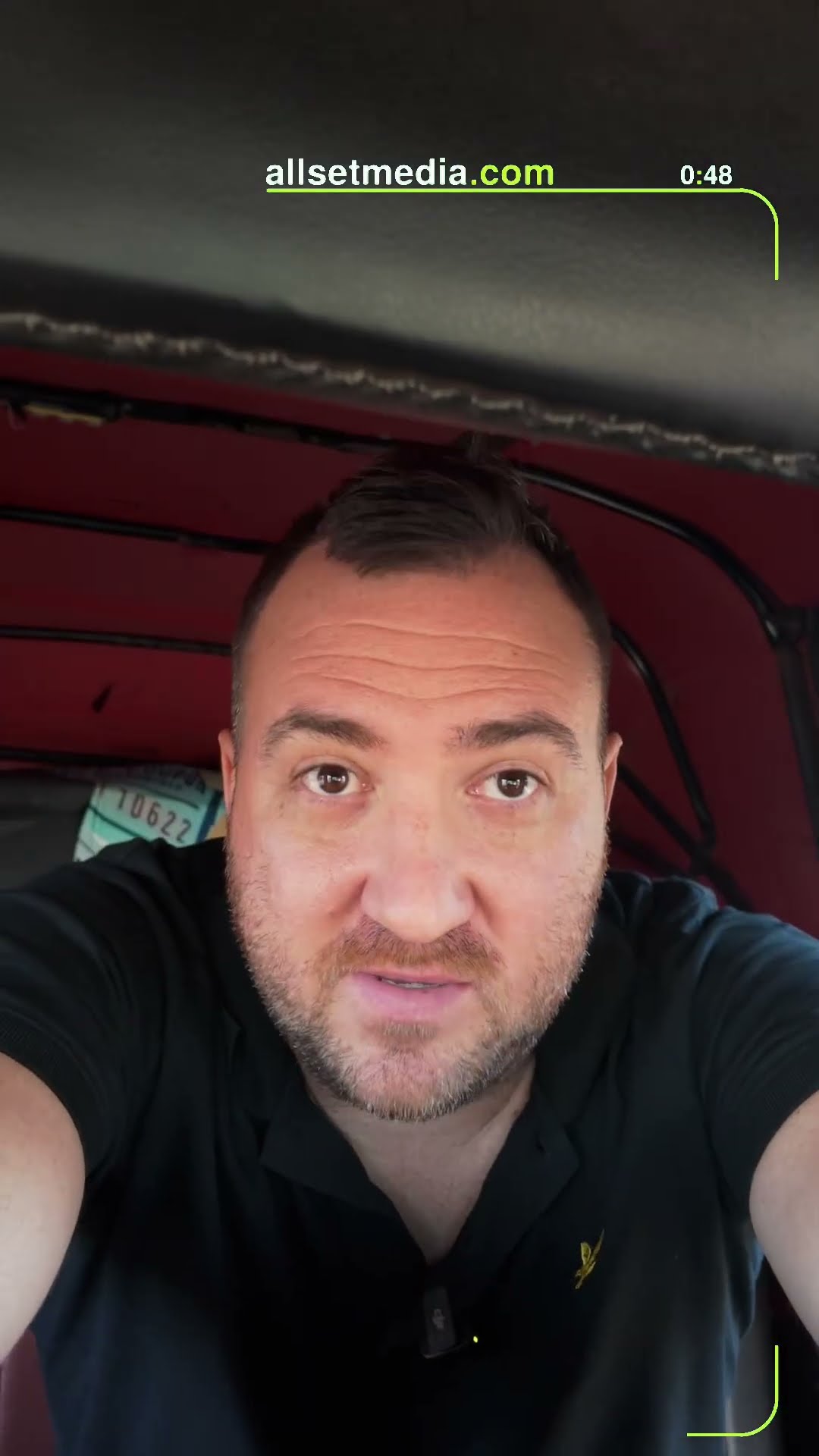
Dávid’s first impressions are very positive: people welcome him warmly, and he feels safe. As a European, though, he finds the rhythm of life strange, because it is so much slower.
„The streets are clean and tidy, the restaurants are very well kept too, and they bring you water to wash your hands before and after the meal. People are respectful. They don’t push, they don’t try to sell me everything. Even when I go to the market alone, they don’t ask me for more money. I leave my bike on the street and nobody takes it. It’s calm.”
Filming has started too: Dávid follows Fatime on her journey, which does not begin without hiccups. But more on that next time. Until then, take in the mood of Tanzania in Dávid’s photos!
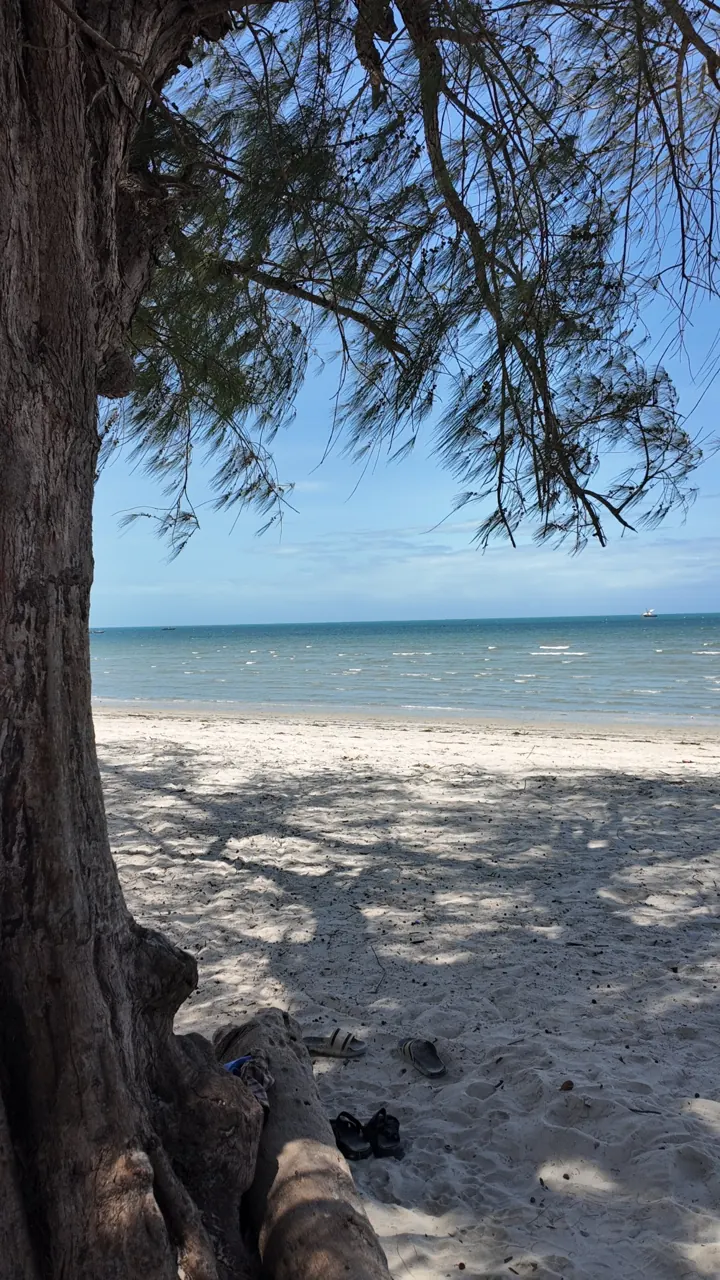
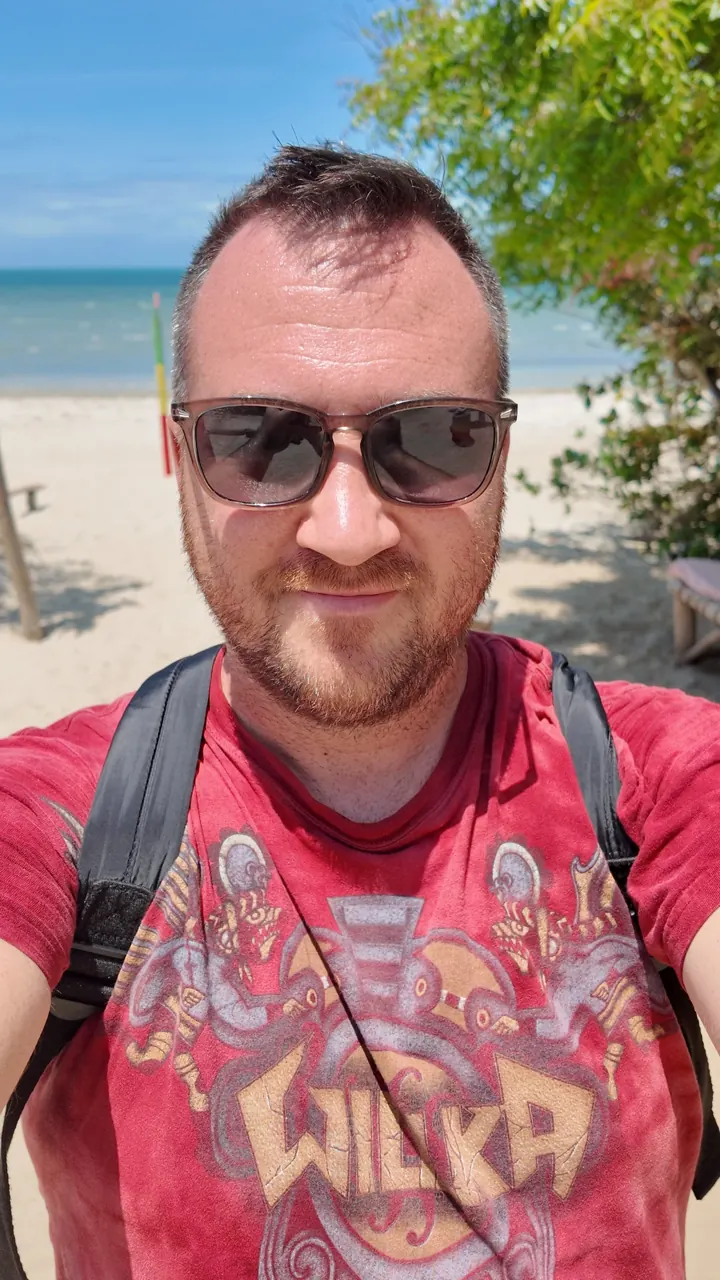
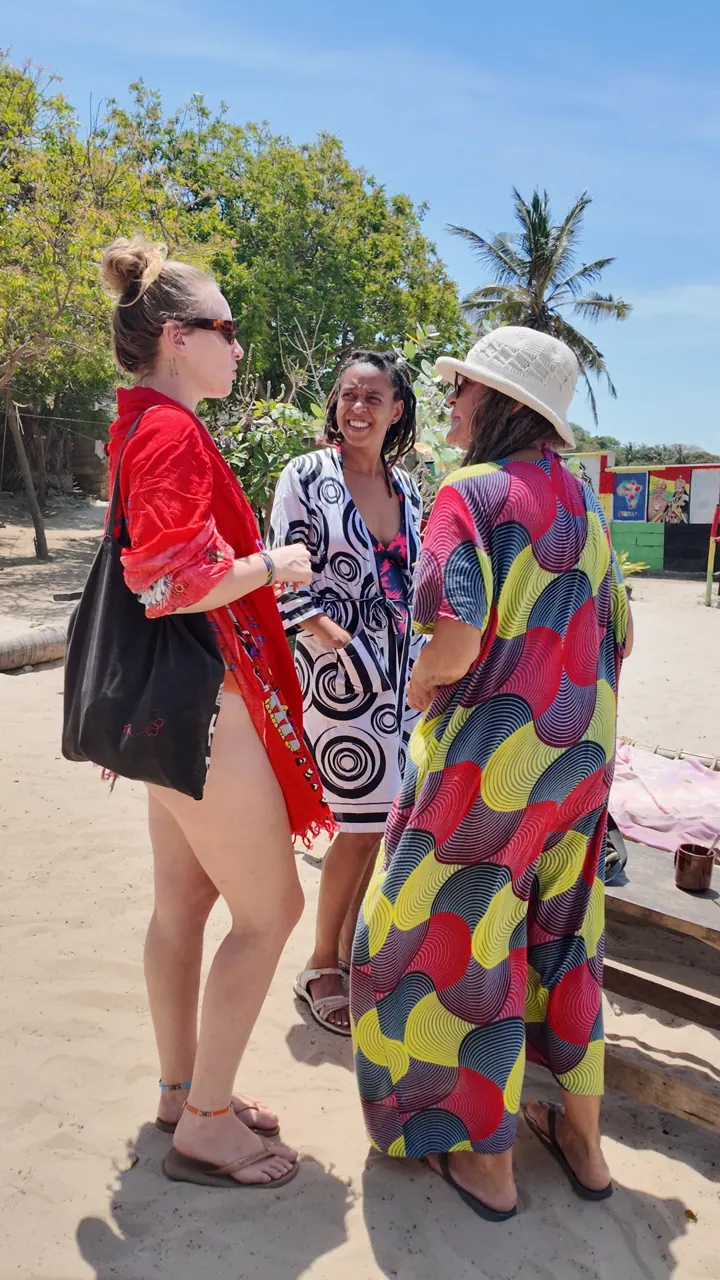
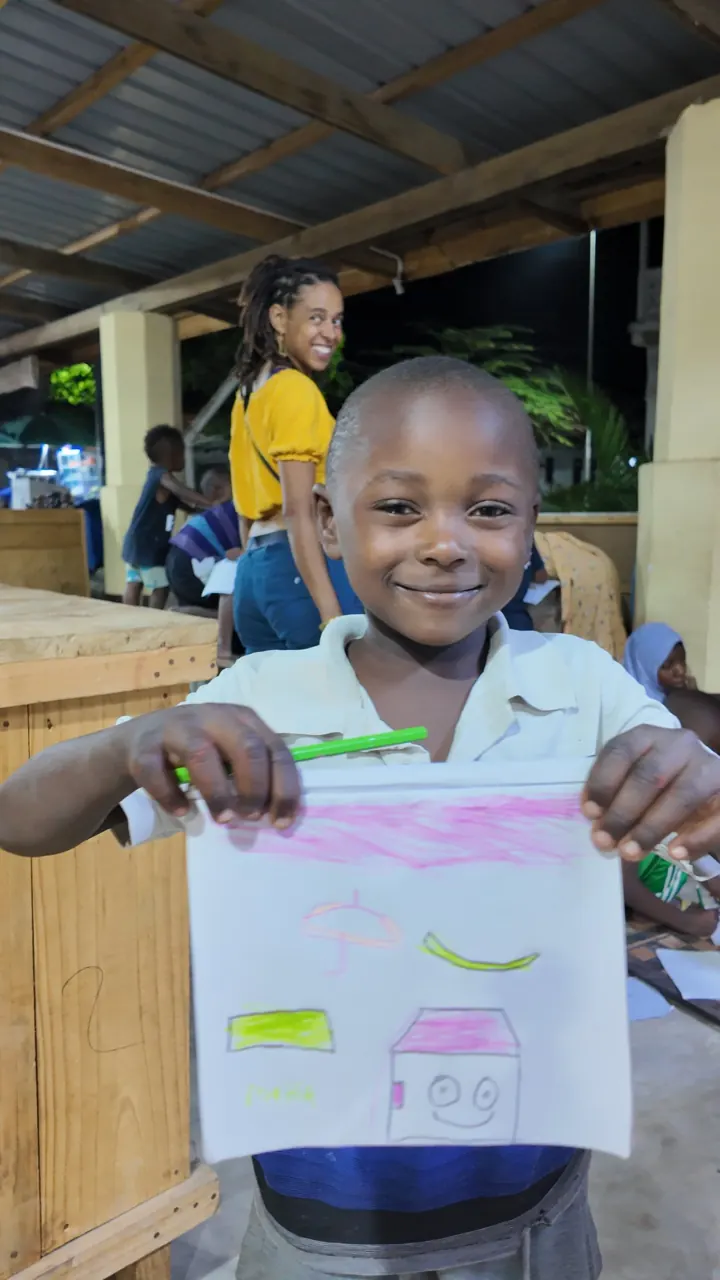
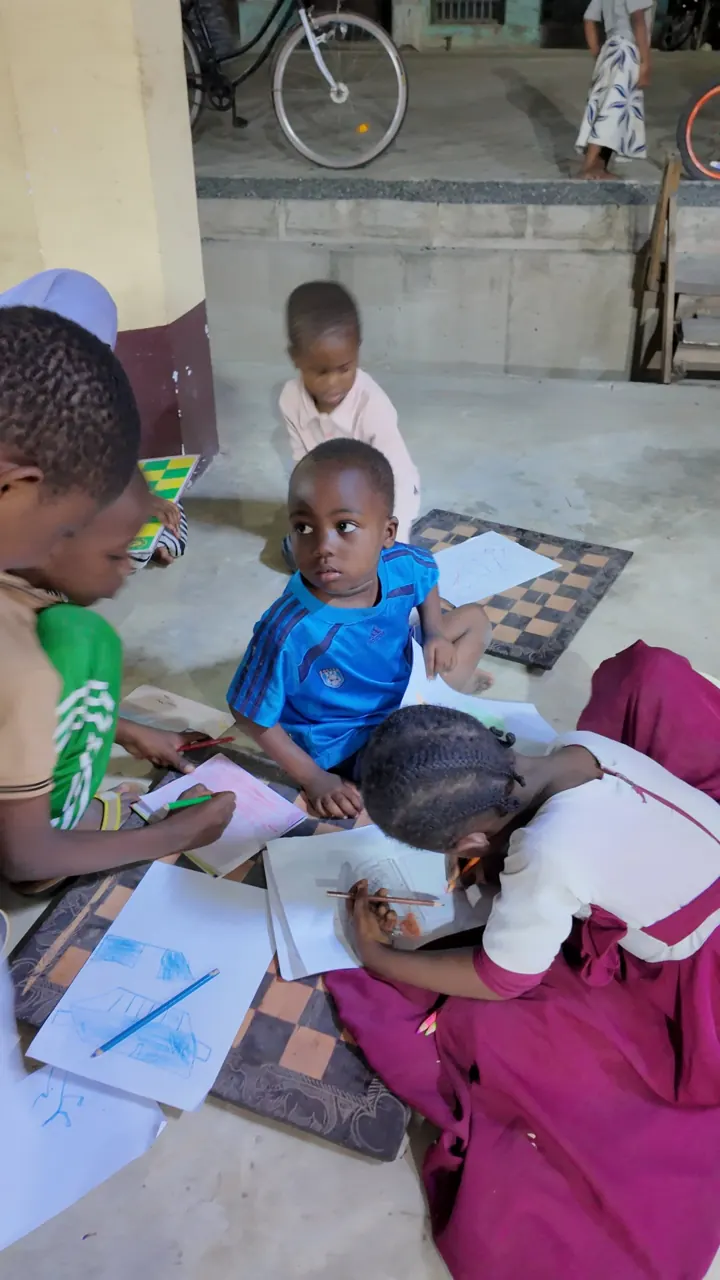
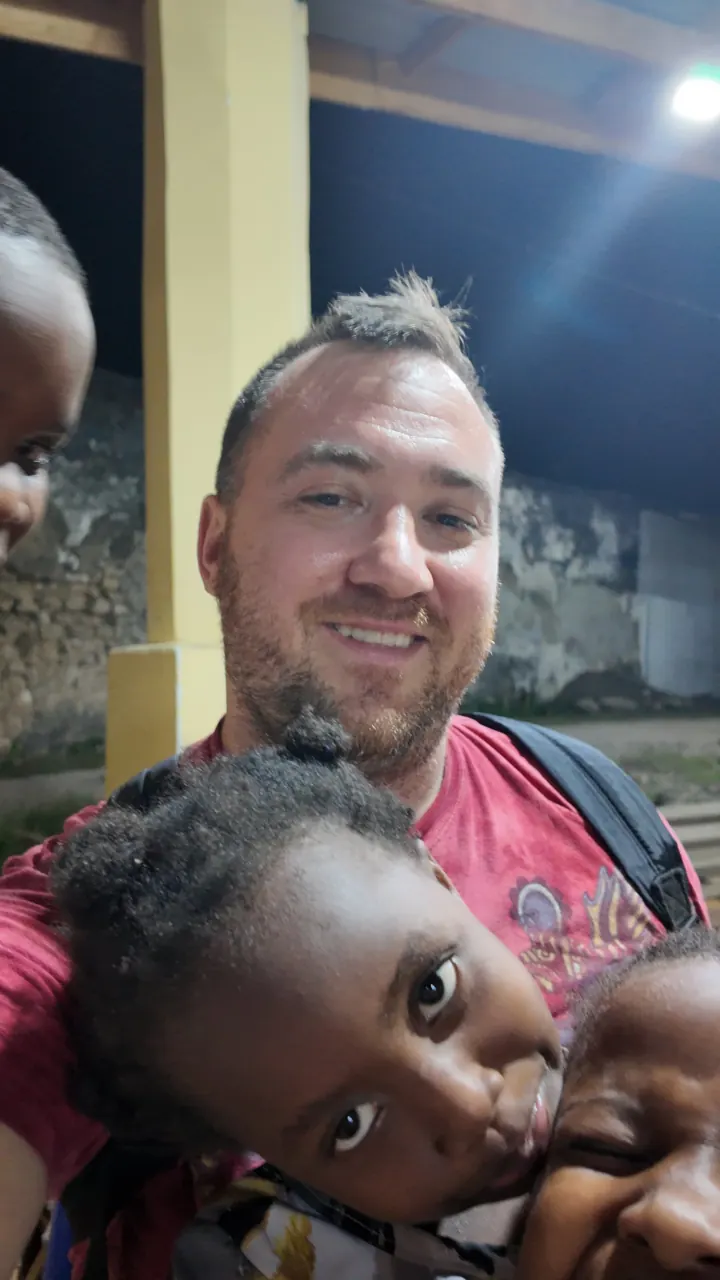
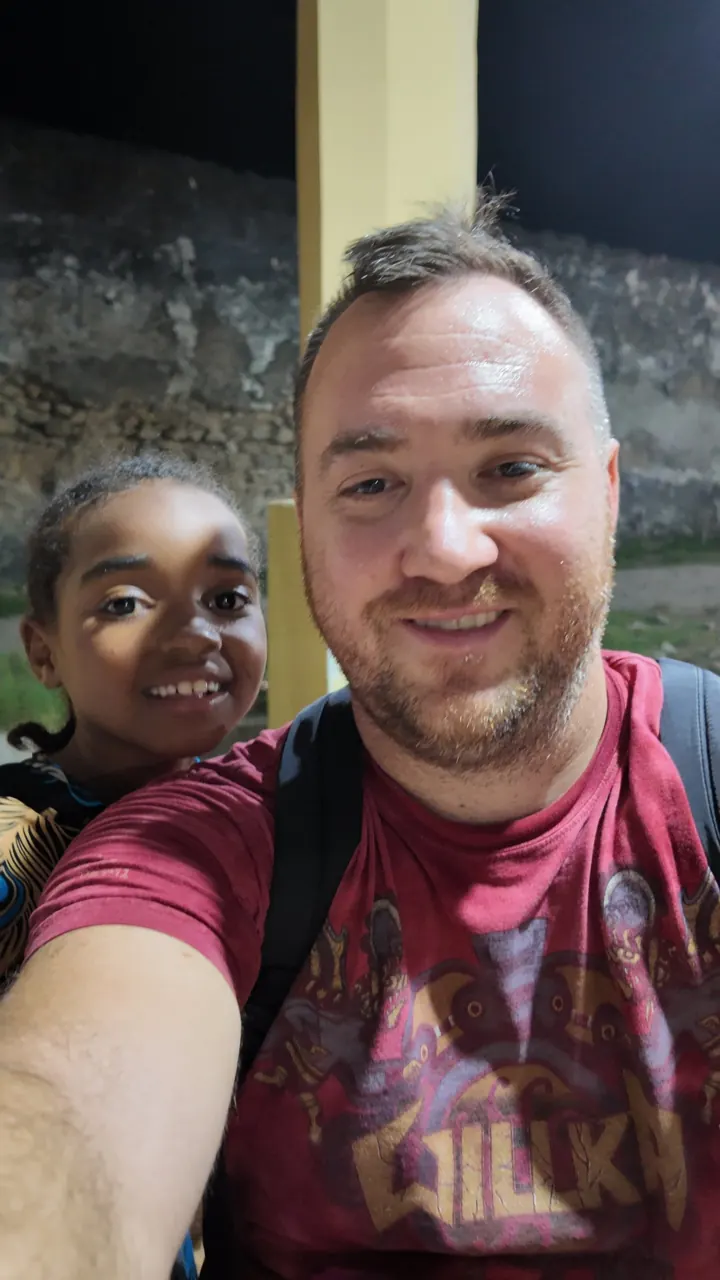
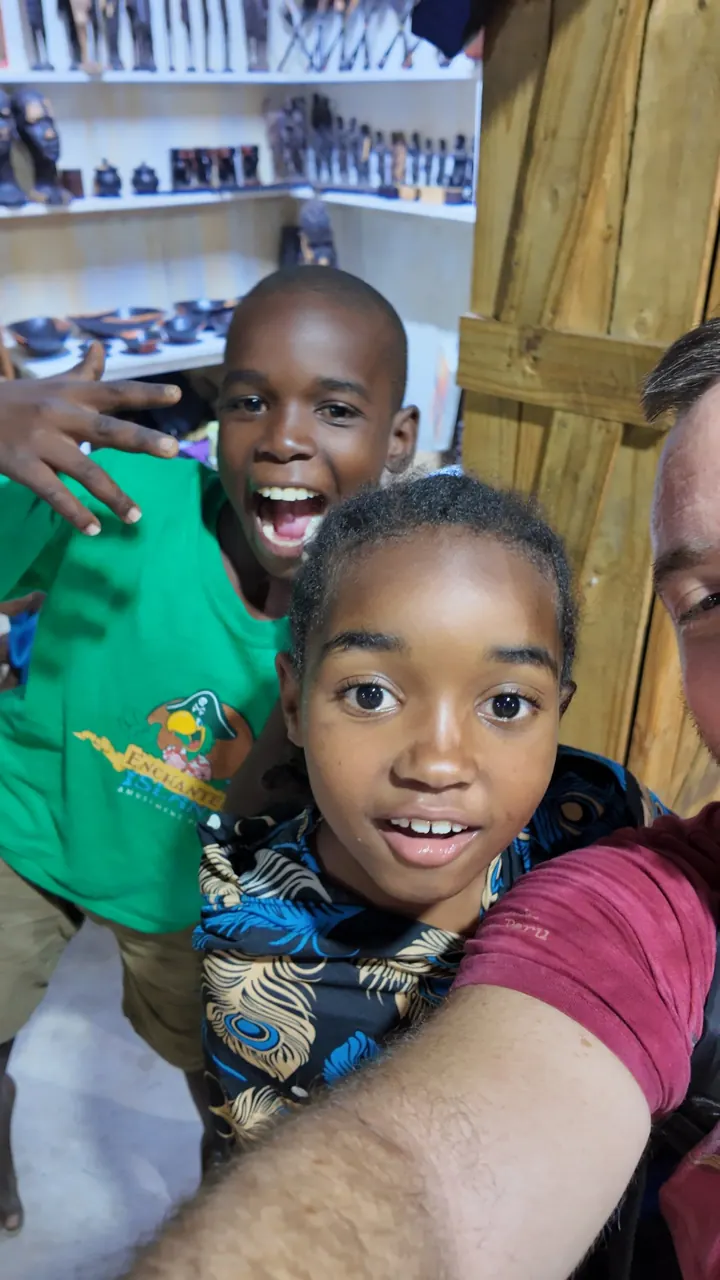
The mood of Tanzania
What would you ask Dávid or Fatime?
Send us your question, and Dávid or Fatime will answer it on video from Tanzania. The questions stay here on the page, and the answer video goes next to the question.
Thank you for your question! It will appear here once we have checked it.
Please fill in your question and first name, and check your email address.
You have sent quite a few questions today. We will gladly take more tomorrow!
Something went wrong. Please try again later, or write to hello@allsetmedia.com.
Questions so far
How does Kodály end up in Tanzania, some 6,000 kilometres away, and in 2026 at that?!
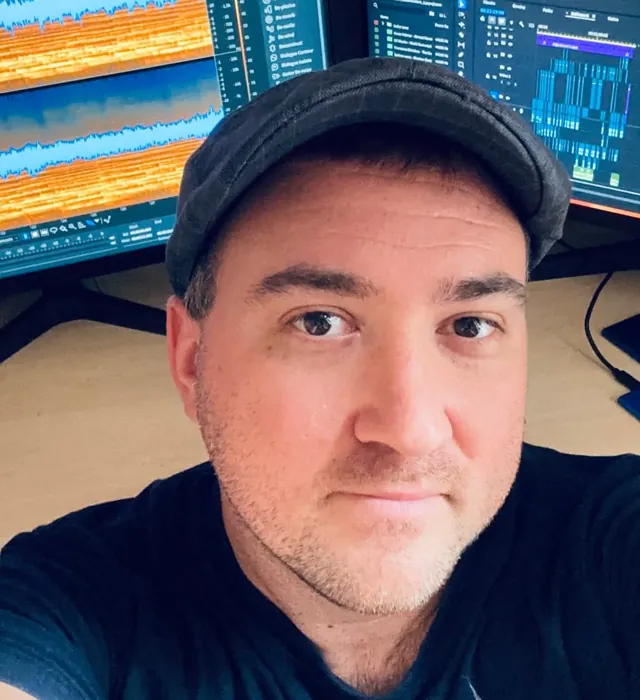
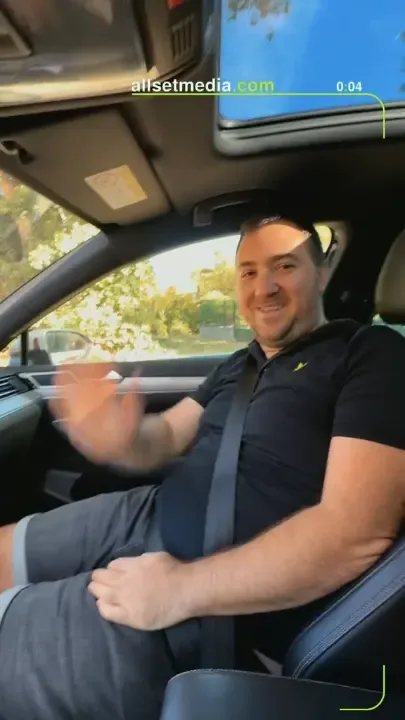
Dávid Egerváry, a member of the AllSet Media Kft. creative team, will tell you over the next two months, here on the blog and on our social media. Besides working as a camera operator and editor, Dávid is a trained jazz musician. Watch the conversation we recorded with him in his last moments at home, on the way to the airport.
The main character of the film is Fatime Songoro, or Auntie Fatime, as the children in Tanzania call her. Her mother is Hungarian, and she grew up in Hungary; her father is of Tanzanian descent. She first visited her father’s relatives in Africa at the age of 28, and she has been going back regularly since the Covid years. She teaches music and creative games with the Kodály method. Although she does not speak Swahili, and people there see her as a white European, she was welcomed quickly.
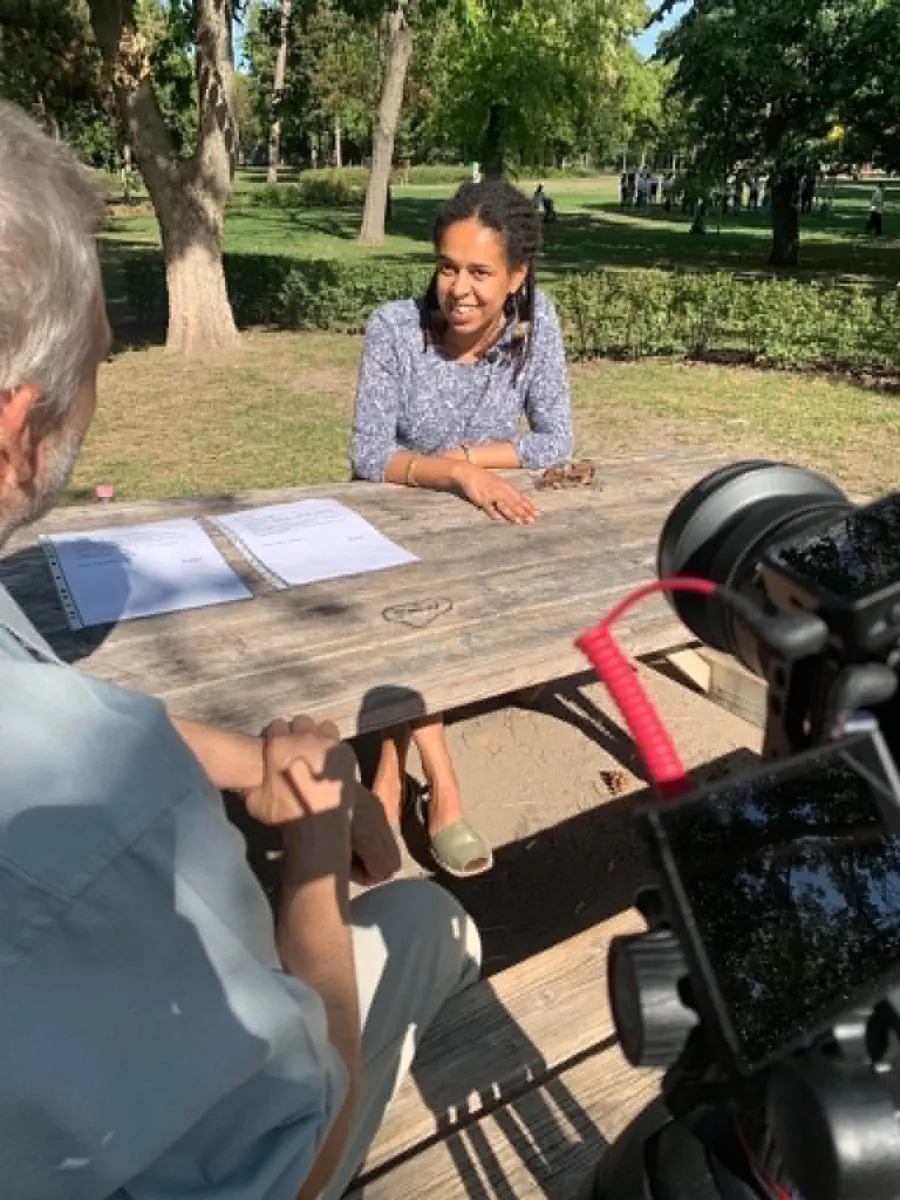
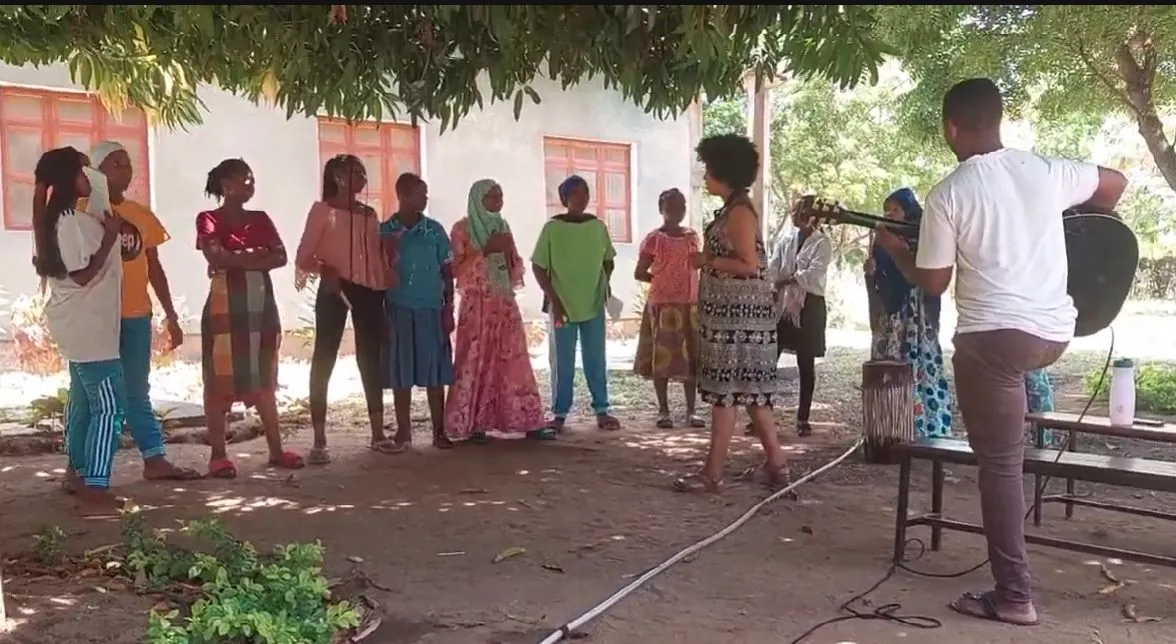
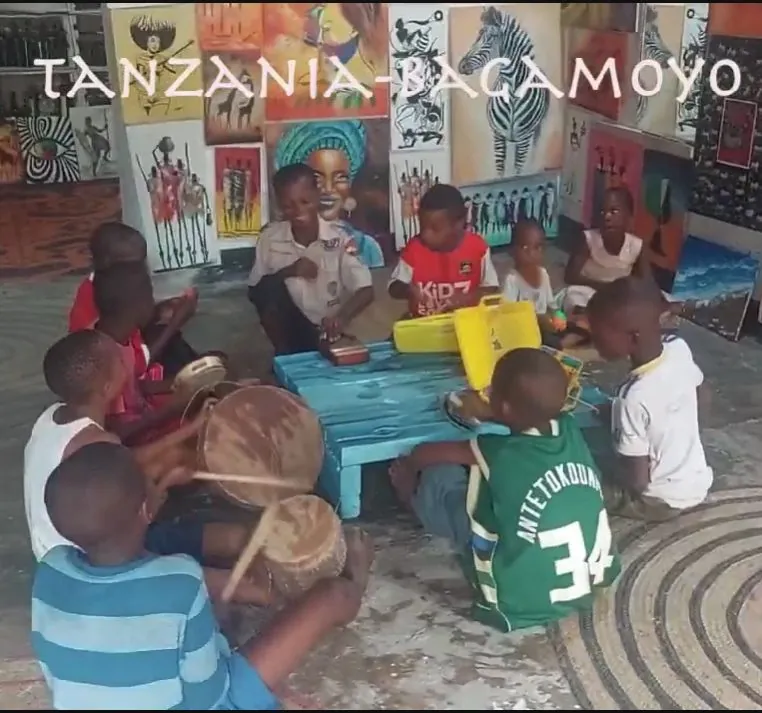
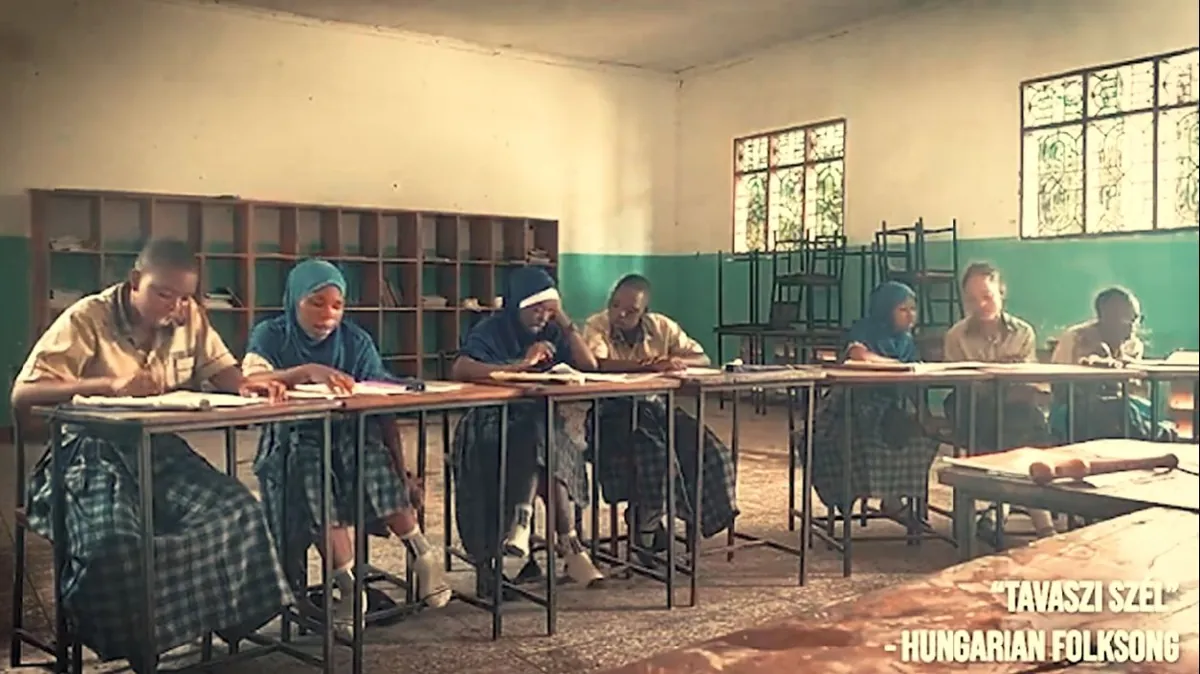
Fatime is already in Tanzania, waiting for Dávid, who will follow her everywhere. Their base will be Bagamoyo, an artists’ village, but they will also travel to Mafia Island, which, don’t worry, is only dangerous by name. Gábor and Dávid packed the kit with care: this is what Dávid will use to shoot a documentary about how music crosses borders and languages. As a camera operator, an editor and a musician, Dávid faces a real challenge with this project. It is no everyday job.
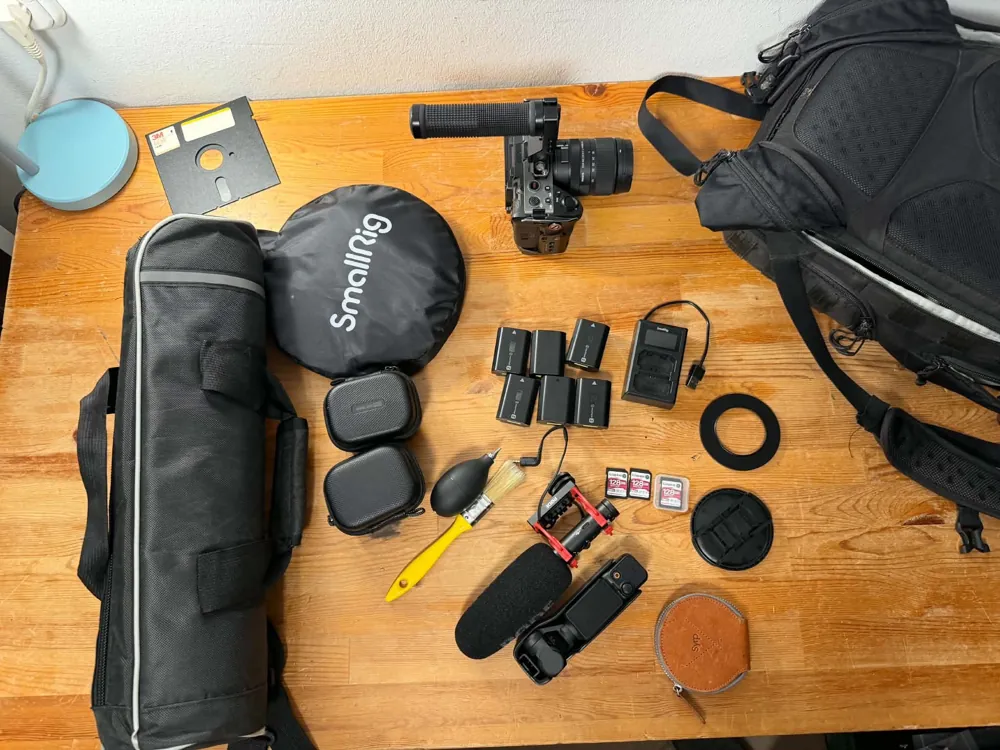
Let’s create value! Safe travels, Dávid!